 887a5834
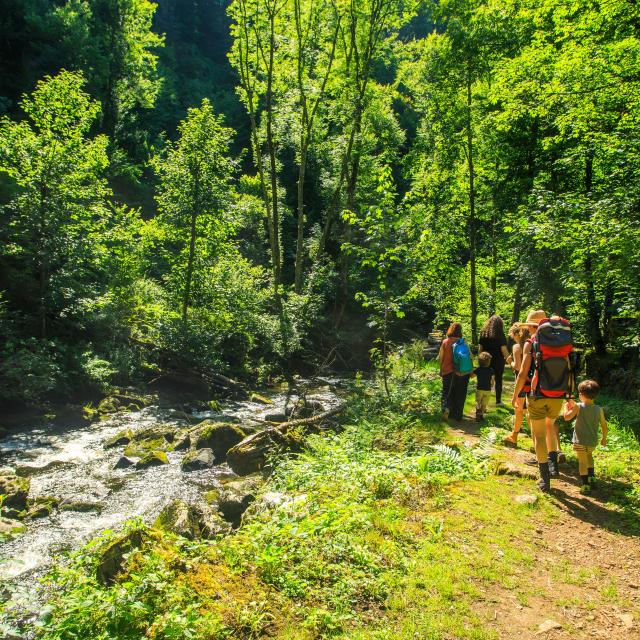
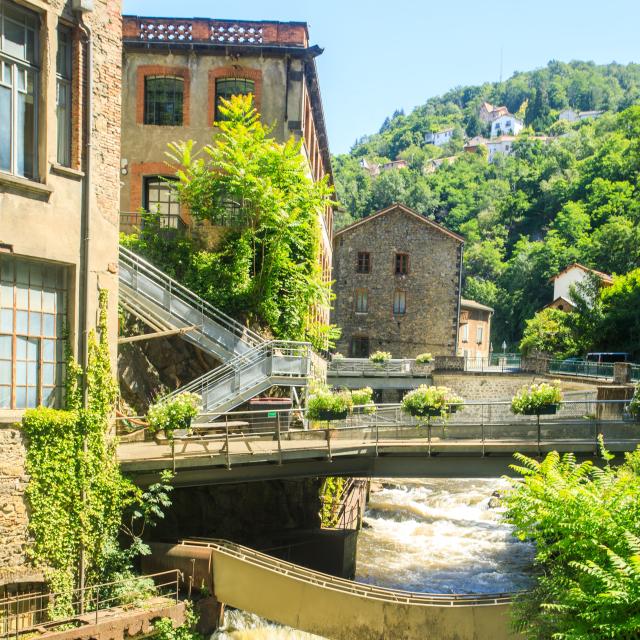
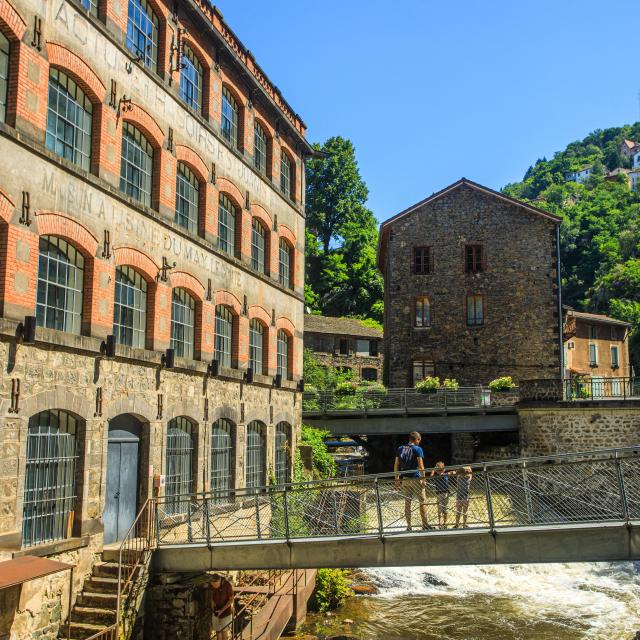
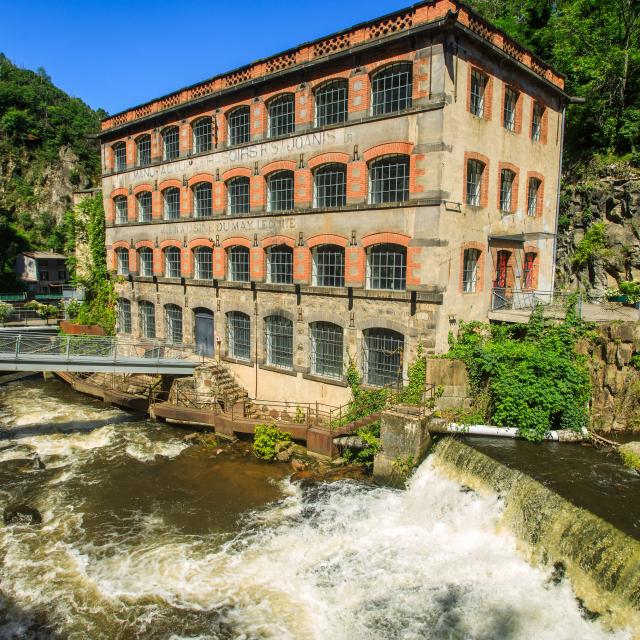
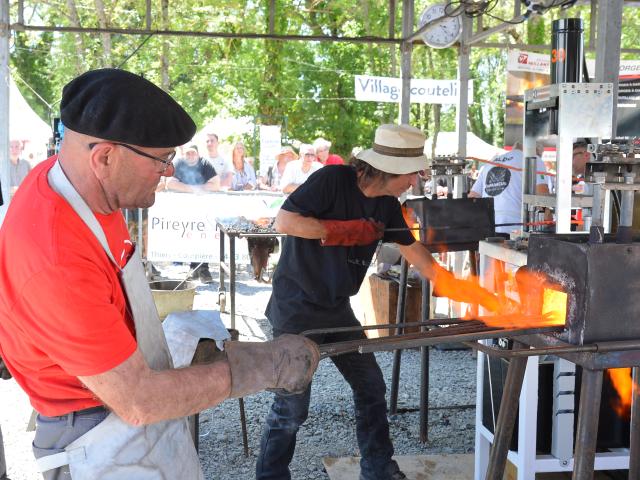
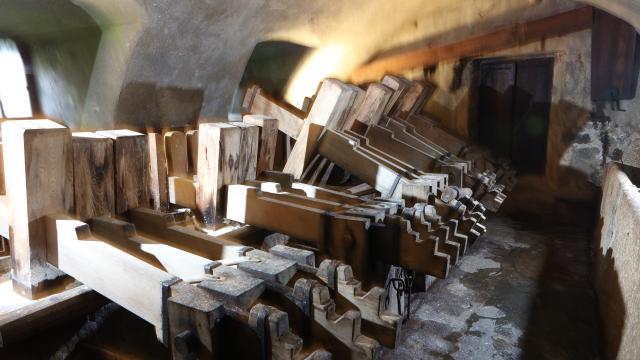
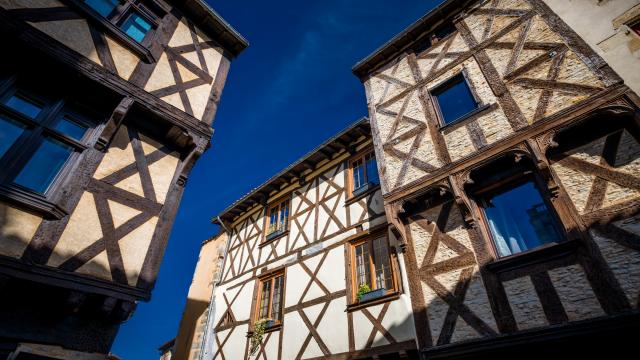
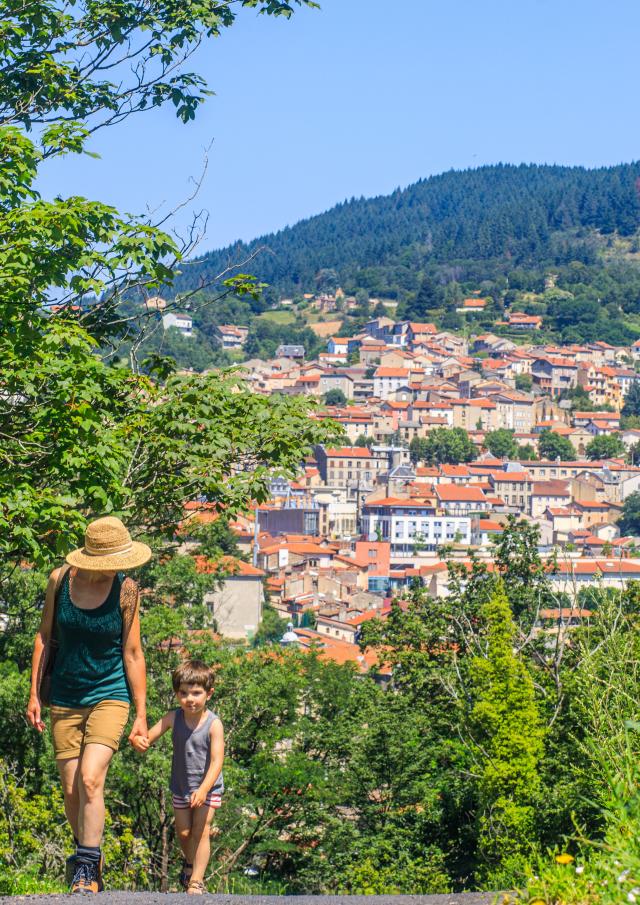
Thiers’ destiny as a knife-making capital was not written in stone. It was the presence of the river Durolle and its steep gradient that allowed certain industries to flourish in the Middle Ages. It powered flour mills, tanners’ fulling machines, paper-makers’ mallets and the tools needed for cutlery.
In the 15th century, a quarter of Thiers’ workers were already cutlers, and Thiers’ products were exported to several countries. However, it was not until the end of the XVIᵉ century, with the creation of the jurande, a statute regulating the profession, that Thiers established itself as a renowned cutlery town.
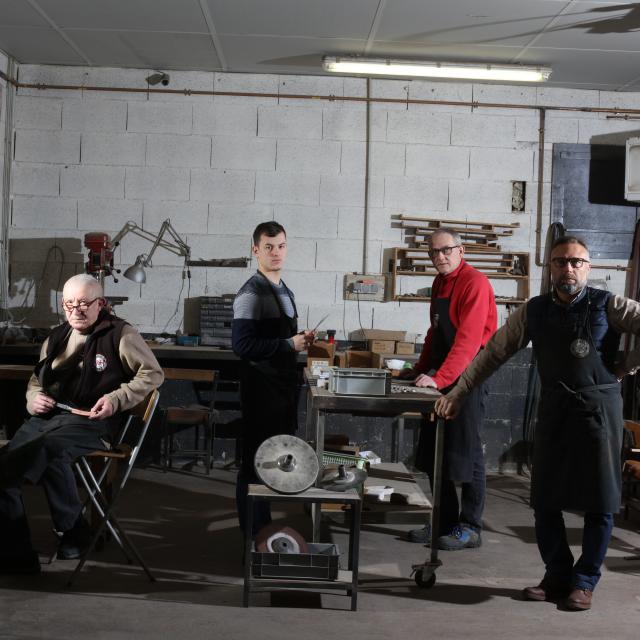
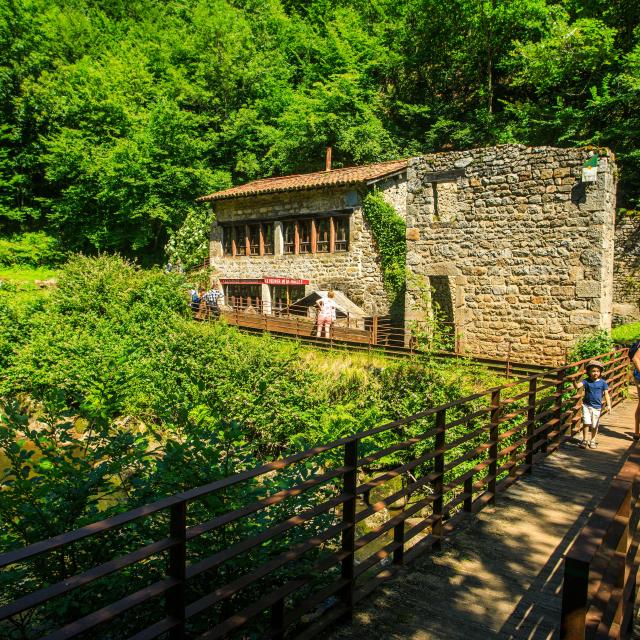
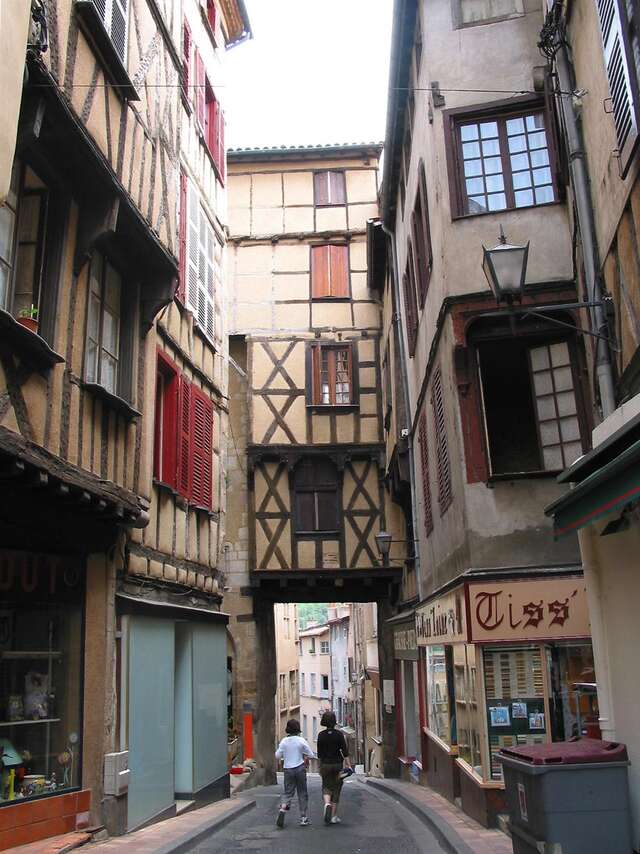
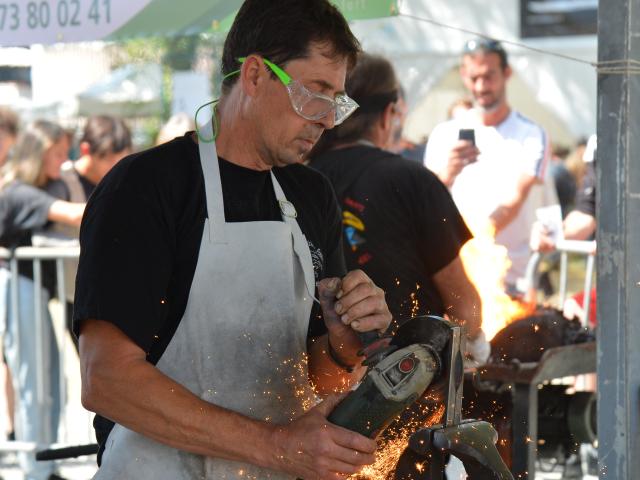
The cutlery workshops, initially located below the old town in what is now theValléedes usines, gradually spread along the river to the wild gorges above Thiers, known as the Vallée des Rouets. With the advent of electricity and the mechanisation of certain tasks, the traditional production system was modernised. These workshops contributed to the development of Thiers, the knife capital, and to its worldwide reputation.
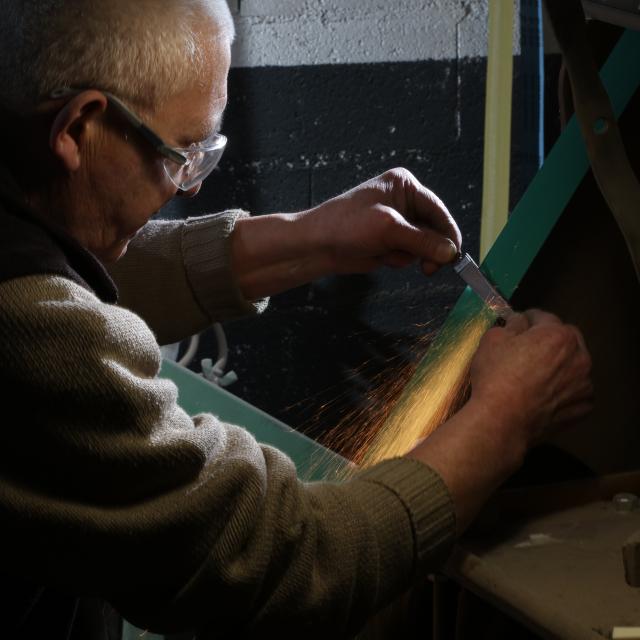
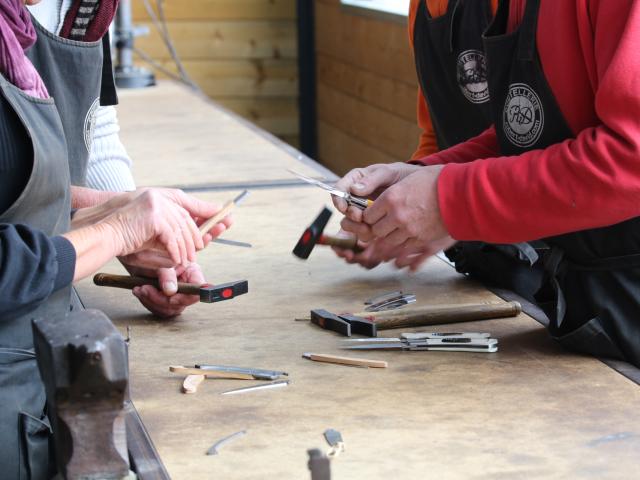
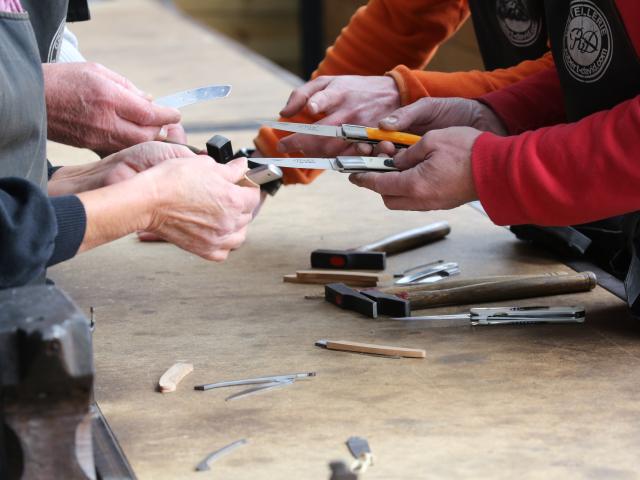
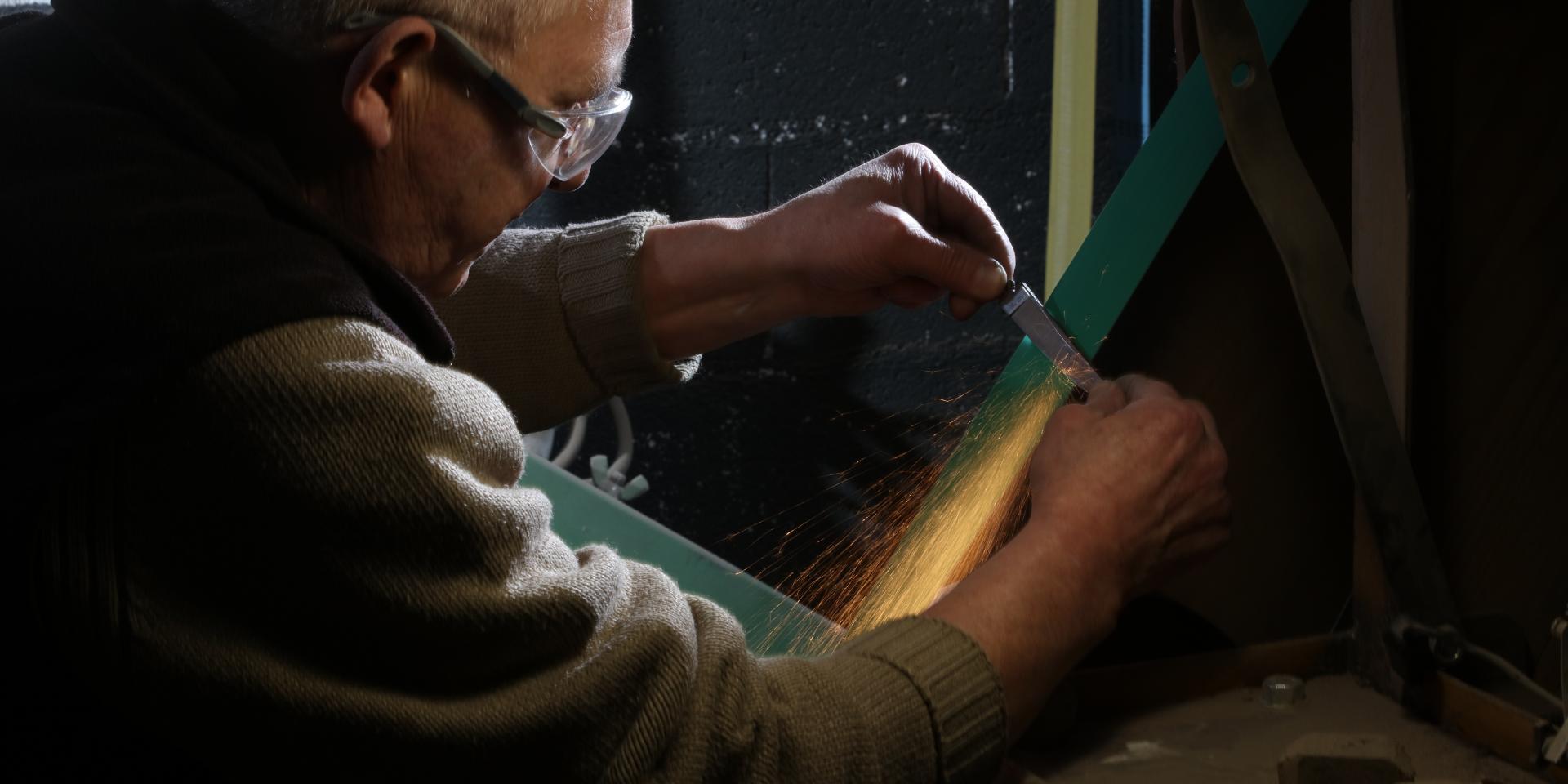
At the time, there were other cutlery production areas in France, but Thiers came out on top thanks to the division of labour. Each stage in the knife-making process was “subcontracted” to a specialised worker, saving time and increasing productivity compared with other competitors. In the Middle Ages, the cutlers of Thiers used materials from the best French forests: the wood used for the handles came from Bois Noirs in the Thiers mountains. The iron and steel were imported from the Nivernais, Burgundy and Dauphiné regions, while the grinding wheels came from the Langeac quarries in the Haute-Loire.